
Concrete Driveways · Washington

Concrete Driveways in Washington, DC

We pour, replace, and repair concrete driveways across Washington, DC. From a rowhome parking pad to a full replacement, our crew handles the whole job and picks up the phone when you call.

Free Concrete Driveways quote.

Tell us about the job. We reply within one business hour.

Your information is kept private. No spam, ever.

What we install

Driveways built for how Washington actually parks and weathers

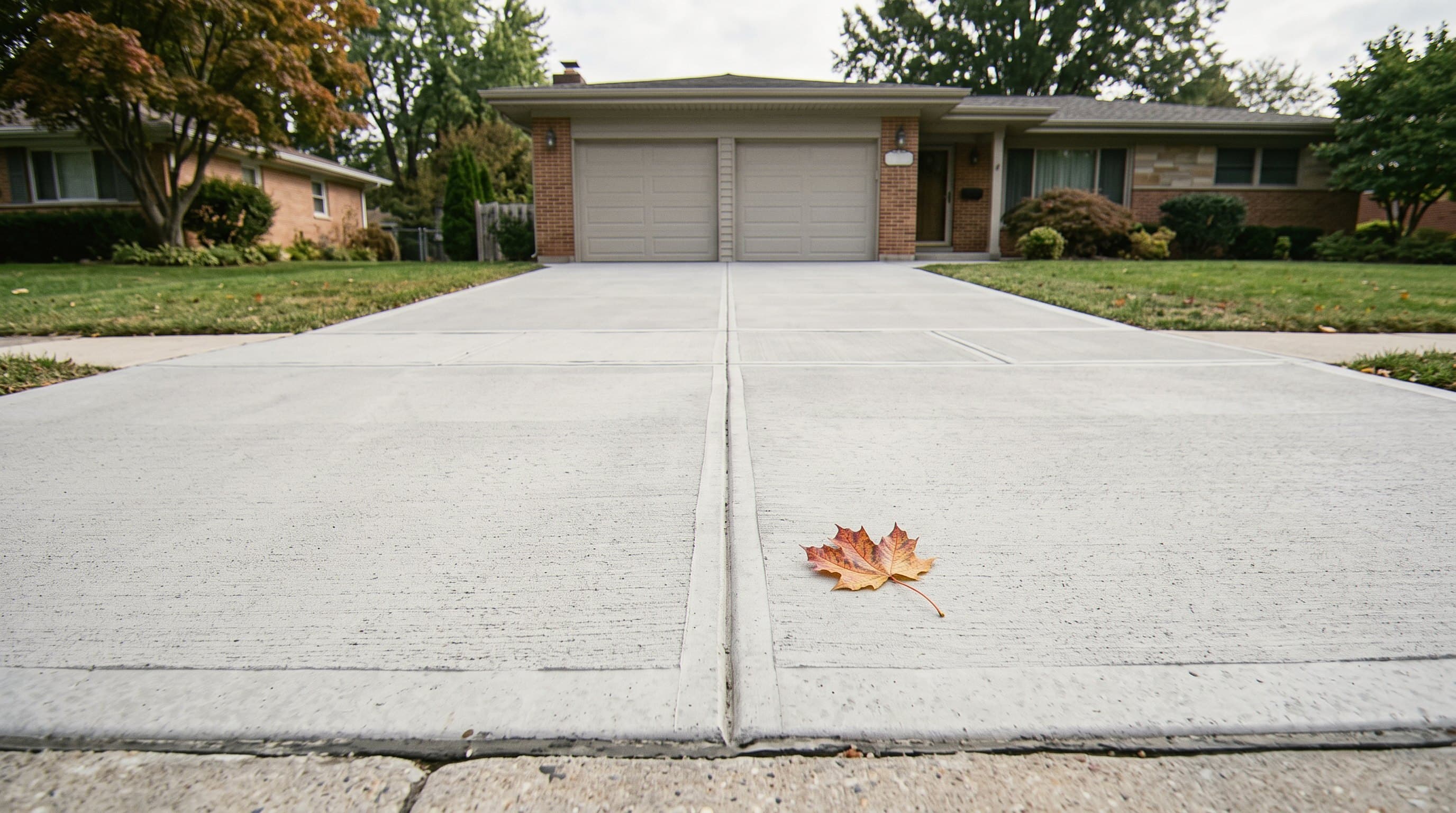
A concrete driveway is the first thing people notice about your home, and in Washington it takes a real beating. Summers run hot and humid. Winters swing below freezing, and the plows spread salt after every storm. That mix of heat, cold, and salt is hard on flatwork that was poured thin or set on a weak base. We build driveways in Georgetown, Petworth, Brookland, and across the District so they stand up to that cycle instead of cracking apart after a season or two.

Most of the driveway problems we get called about trace back to the base, not the concrete itself. When the ground below was never packed down or graded to drain, water pools, freezes, and lifts the slab. So we start every job by getting that base right. We dig to a solid depth, add and pack a stone layer, and set the grade so water runs off toward the alley or street. Only then do we form and pour. A driveway on a base like that holds its line for years.

  • A packed stone base and proper grade, so water drains off instead of pooling and freezing under the slab.
  • Control joints cut at the right spacing to steer the natural cracking that every concrete slab wants to do.
  • Thickness and steel matched to real vehicle loads, from a compact car to a loaded work van.
  • Clean edges and a broom or troweled finish that grips underfoot when the driveway is wet or icy.
  • A crew that pulls the permit where the District requires one and clears the site before we leave.
We get the base and the drainage right first. That is what keeps a Washington driveway from heaving the first hard winter.

We pour standard gray concrete for most driveways. We can also finish with a broom texture, an exposed aggregate surface, or a stamped and colored pattern when you want the driveway to match the house. Rowhome owners across DC often need a compact parking pad off the alley rather than a long approach, and we form those to fit the lot. Whatever the shape, we walk the space with you, mark where the concrete goes, and tell you plainly what the site needs before any work starts.

If your driveway is cracked, sunken, or just worn out, call us and we will come look at it. We will tell you whether a repair holds or whether a full replacement makes more sense. Then we give you a straight schedule for the pour. No runaround and no pressure. Just concrete work done by the crew that answers the phone.

Materials

Concrete driveway finishes and materials we work with

Every driveway we pour starts with the same structure underneath, then the finish on top is where you get to choose. The base is a packed stone layer over graded ground. The slab is poured concrete, reinforced for the load it will carry, with control joints cut in to manage cracking. Where the finish changes is the surface texture and color, and each of those options carries a different look, a different grip, and a different level of upkeep over the years.

For a Washington driveway we usually steer people toward a finish that sheds water and grips when wet, because slick surfaces and winter ice do not mix. Below is how the common choices stack up. That way you pick with your eyes open.

  • Broom finish is the workhorse surface for DC driveways. A light broom texture over gray concrete gives solid grip in rain and ice, and it quietly hides the everyday wear that a smooth surface would show off.
  • Exposed aggregate washes the top layer back to reveal the stone. It looks rich, grips well, and takes traffic, though it costs more labor to place.
  • Stamped and colored concrete is pressed to mimic brick, slate, or stone and tinted to match the house. It has great curb appeal, and it does need resealing to keep the color sharp.
  • On most driveways we also add steel mesh or bar and set control joints, so the slab carries vehicle weight and cracks where we want it to instead of wandering across the surface on its own.
What about the alternatives?

Driveway options compared for a Washington property

Not every surface belongs on a driveway, and not every driveway needs the fanciest one. Here is how the real choices compare for parking, weather, and daily use in the District.

Poured concrete driveway

The default for a reason. A properly based and jointed slab carries vehicle loads, handles our freeze and thaw swings, and lasts for decades with light upkeep.

Recommended

Exposed aggregate concrete

A concrete slab with a decorative stone surface. It is strong and good looking with real grip, so it earns its spot when you want more than plain gray.

Acceptable

Stamped concrete

The best looking concrete option for curb appeal. It performs well when you seal it on schedule, so plan on that upkeep before you commit.

Acceptable

Concrete pavers

Individual units set over a base. They look sharp and let you lift and reset sections, but the joints invite weeds and can shift over the years.

Acceptable

Asphalt driveway

Cheaper up front and quick to lay, yet it softens in DC summer heat, needs resealing often, and simply does not last as long as concrete.

Skip

Loose gravel driveway

The lowest cost path, but gravel scatters, ruts, and washes toward the alley after storms, and it turns to mud in a wet Washington spring.

Skip
How it goes

From quote to walk-on, fast.

1

Free walk-through

A short on-site visit. We look at the job in person and write a fixed quote on paper, not over the phone.

2

Prep the surface

The slow, unglamorous step most shortcuts skip. Done right here so the finish actually holds.

3

Do the work

A local crew runs the job in the order that lasts, with the materials named in the quote.

4

Walk it together

We hand the work back with a final walk-through, so you see exactly what was done and why.

Before you book

Straight answers before you commit to a driveway

We would rather answer the hard questions now than surprise you mid job. Here is what Washington homeowners ask us most about a new concrete driveway.

How long before I can park on a new concrete driveway?

You can walk on it within a day or so, but concrete needs time to cure before it takes vehicle weight. We tell you to keep the car off it for the better part of a week, and we give you the exact date at the pour so nobody has to guess. Rushing a heavy vehicle onto green concrete is the fastest way to crack a good slab.

Will a concrete driveway crack in DC winters?

Every concrete slab moves, so the honest answer is that we plan for cracking rather than pretend it never happens. Control joints give the slab clean lines to crack along, and a solid base keeps water from lifting it when the ground freezes. Done that way, a Washington driveway holds up through many winters of salt and cold.

Can you replace just part of my driveway?

Sometimes, yes. If the damage is limited to one section and the base under it is still sound, we can saw cut and replace that panel so it ties into the rest. When the cracking is spread out or the base has failed, a patch just moves the problem, and we will tell you straight when a full replacement is the better call.

Do I need a permit for a driveway in Washington?

It depends on the scope and whether the work touches the public space near the curb or alley. We handle the permit where the District requires one and let you know up front when your job needs it, so you are not left sorting out paperwork with the city on your own.

My rowhome only has alley access. Can you still pour a driveway?

Yes. A lot of DC parking is a compact pad off the alley rather than a long approach, and that is everyday work for us. We measure the lot, set the grade so water runs to the alley and not toward your foundation, and form the pad to fit the space you have.

What happens to my old driveway?

We break it out, haul it off, and reset the base before the new pour. Old concrete left in place or poured over is a common shortcut, and it is why so many driveways fail early. We take the demolition and cleanup as part of the job so you get a fresh start on solid ground.

Aftercare

Keeping your Washington concrete driveway in shape

Concrete is low maintenance, not no maintenance. A driveway that gets a little attention each year in the District will outlast one that gets ignored, especially with our salt and freeze cycle working against it. None of this is hard. Most of it is a weekend afternoon a couple of times a year.

  • Seal the surface every couple of years so water and salt bead off instead of soaking into the concrete.
  • Rinse road salt off in late winter so it does not sit on the slab and pit the surface over time.
  • Fill small cracks as they show up, before water can get in, freeze, and pry them wider.
  • Keep heavy loads off the very edges of the slab, since the edges have the least support and chip first.
  • Clear snow with a plastic shovel rather than a steel blade that gouges the finish.
  • Point downspouts and hoses away from the driveway so runoff does not pool against it and wash out the base.
FAQ

Concrete driveway questions from Washington homeowners

Ready for a quote in Washington?

Send a few photos or book a free on-site walk-through. A fixed written quote within one business day.

CallFree quote